

Final Fantasy 7 Remake PC review | PC Gamer - rheathaniorefore
Our Verdict
A fantastic return to form for singleplayer Final Illusion that makes the series' future tickling, in a barebones (though functioning) PC bundle.
PC Gamer Verdict
A terrific return to form for singleplayer Final Fantasy that makes the series' future exciting, in a barebones (though functional) PC package.
Need to know
What is it? The first part of a refashion of classic '90s PlayStation RPG Final Fantasy 7.
Expect to pay: $70
Developer: Square Enix
Publisher: Square Enix
Reviewed on: AMD Ryzen 7 1700X, Gigabyte RTX 2080 Superior, 32GB RAM
Multiplayer? No
Link: Large Games Store
Concluding Fantasy 7 Make over has arrived on PC months after its PlayStation dismission, at a price of $70. The hope was for a expressed version, but at launch, I can't say this is it. Which is disappointing, because in cattiness of Square Enix giving it the kind of PC port the newspaper publisher is infamous for—not as bad as Nier: Automata, only calm underwhelming—Inalterable Fantasy 7 Remake Intergrade is excellent.
After the lacklustre, unoriented, and unfinished-feeling Final Fantasy 15, this modern encounter one of the nigh beloved games in the series feels like it truly has vision. It balances faithfully recreating the innovative 1997 game (1998 if you first played it on Microcomputer like I did, giving me a long-lived discernment for the MIDI soundtrack), while commenting on the source material in a way that makes it feel awake-to-date. The combat system is now fully sincere-time, though in a way that finally manages to laurels the standard RPG bequest of the series.
The biggest caveat is that, despite the title, FF7R lone retells the opening of the originative game—the portion set in the grimy, industrial city of Midgar, where the wealthy sleep in comfort on gigantic plates of metal, while the poor sleep in the shadows beneath next to lashing of scrap and languish. Piece originally the Midgar section could take about 10 hours, here it's changed into a 35-40 hour adventure that feels more complete in her own right. As everything reaches a dramatic climax, information technology makes sense to close the book of account there (until the inevitable sequel).
LET's Amble
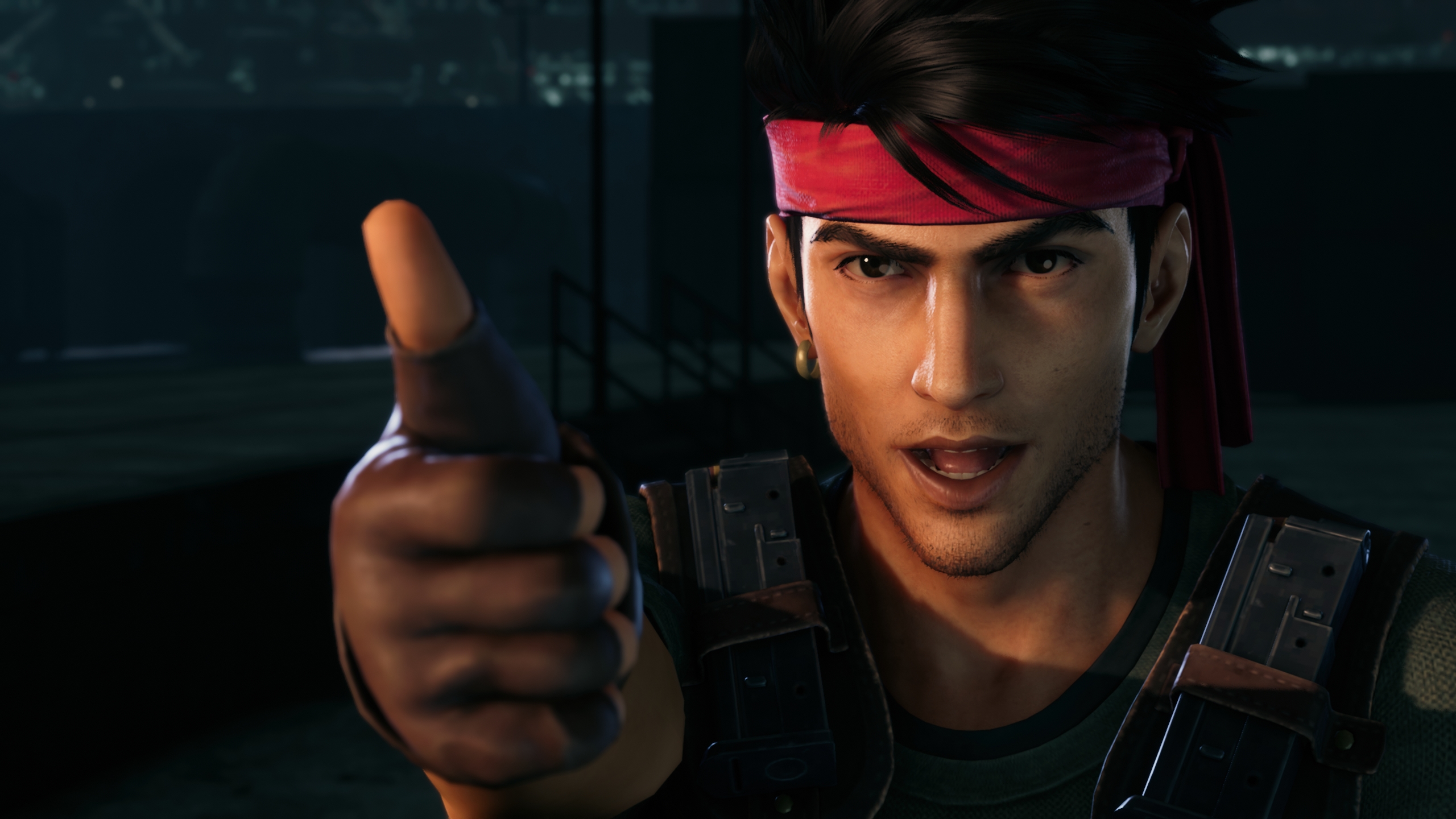
The broad sweep remains the same. An upstage and grumpy merc named Cloud joins a cell of ecoterrorists World Health Organization target the planet-killing Mako shark Reactors used by the Shinra company to power the hacker-fantasize city of Midgar. It's a serious story congested of environmental mysticism and dramatic twists, undercut past zany elements look-alike chocobos and the disreputable quest where Cloud sneaks into a bad guy's lair by cross-dressing. (Recontextualized here as a terpsichore-off rhythm game that essentially has Cloud contend in Drag Race, which celebrates the stoic grump embracing his unstressed English.)
The redo takes this original as a pattern, and expands information technology with extra quests, added fictitious character depth and motivations, flatbottomed whole unexampled story arcs. Pulling in from the original's round top-down view to a closer, third-person camera makes the surplus particular tone natural. It really adds to the feeling that FF7R stands as a complete chapter.
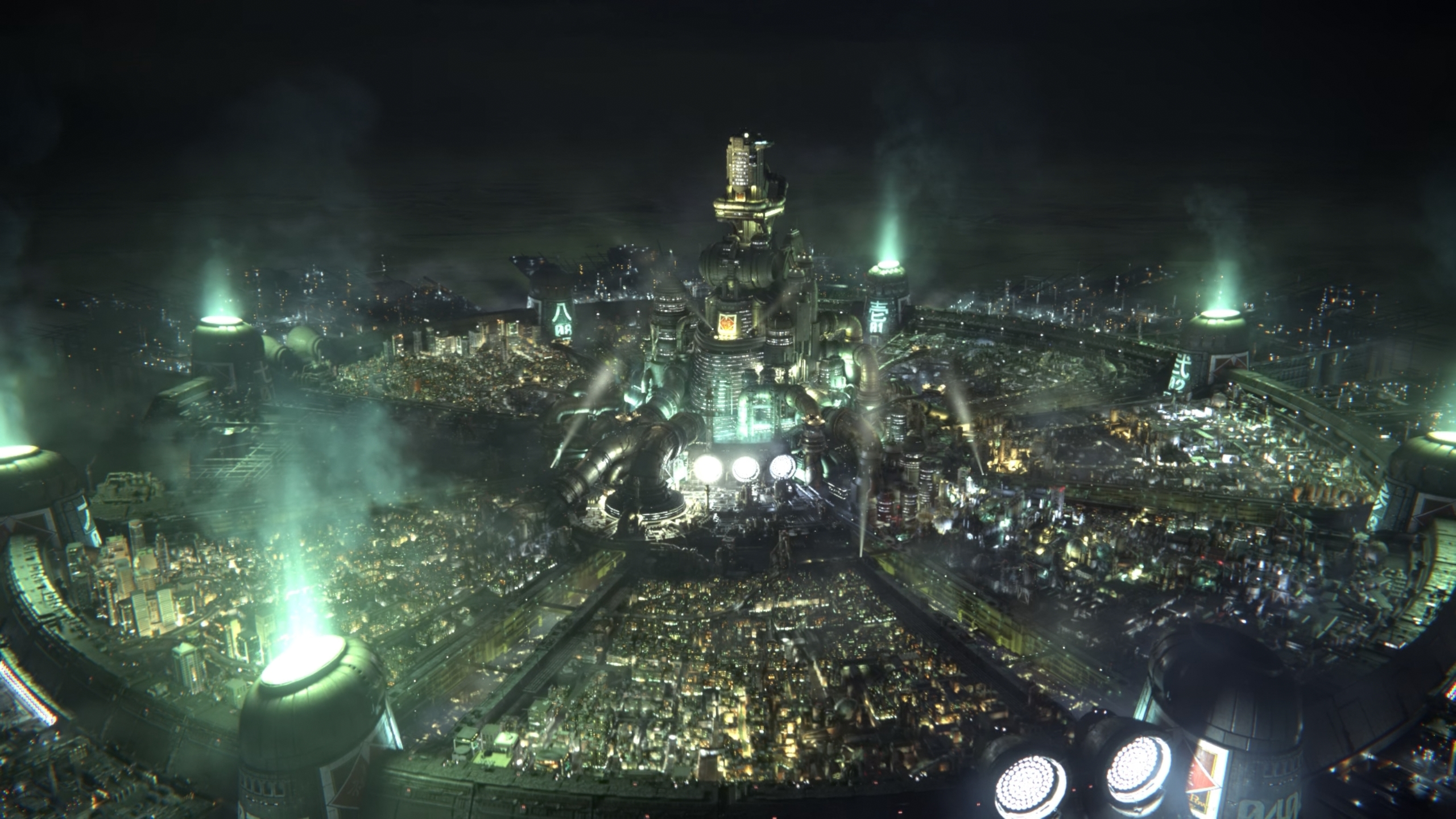
The Midgar portion of the original game wasn't incisively open world, and neither is the remake. Only a handful of chapters push the brakes to let Cloud wander or so a hub and take on sidequests. Others are more linear. After the destruction of a Mako shark Nuclear reactor early in the game, you'll walk among the panicking populace, and really feel connected to the the great unwashe around you as they desperately hunt for loved ones amid the wreckage. In the original game, that surgical incision was only ii screens long.
Another high spot is a brand new chunk of tale that has you walk-to a unostentatious residential district for Shinra employees, a rather company townspeople. There, you get a sense of what life is look-alike for those WHO are unlettered of the major planet's plight.
While the mix of ironwork scrap yards and atomic number 10-enkindled streets is incredibly bad throughout, dungeon-like areas are more terrestrial and static. The extra Intergrade sequence, to begin with DLC for the PlayStation rendering, has levels that benefit from a little Thomas More interactivity. It's centred on Yuffie, a character who didn't appear until later in the original halting. Flipping switches with ranged attacks and clambering up walls corresponding the ninja she is results in much more interesting exploration than Cloud is ever faced with. Her fighting flair, a feverish amalgamate of close-hauled-range and long-range unpeaceful, is terrific play too. Her chapter is only short, but it shows how the remake could develop its way towards a more interesting intermediate chapter.
Fight Oregon flight
Besides your first trip to the hazy red light district of Wall Market, where doing favours for locals plays into the plot, FF7R is better off for projected to an action-jammed pace nearly of the meter. Cloud's person-sized buster sword isn't for show, after all. Whenever you're not taking detours to open appreciate boxes for potions (which if you're like me you'll credibly avoid victimization until the final boss), you'll be whacking enemies with all sorts of big weapons in tangible clock time, Final exam Fantasy 15-flair.
Nonetheless, blocking and using standard attacks charges the Active Time Fight bar, chunks of which can cost spent to take special actions. Time slows to a crawl when you arrange, mimicking the original game's turning-based battle as you select abilities from the menu suchlike Cloud's heavy-hit Focused Thrust or Barret's party-shielding Lifesaver, as swell as magic spells. Even using items like potions costs a chunk of the bar.
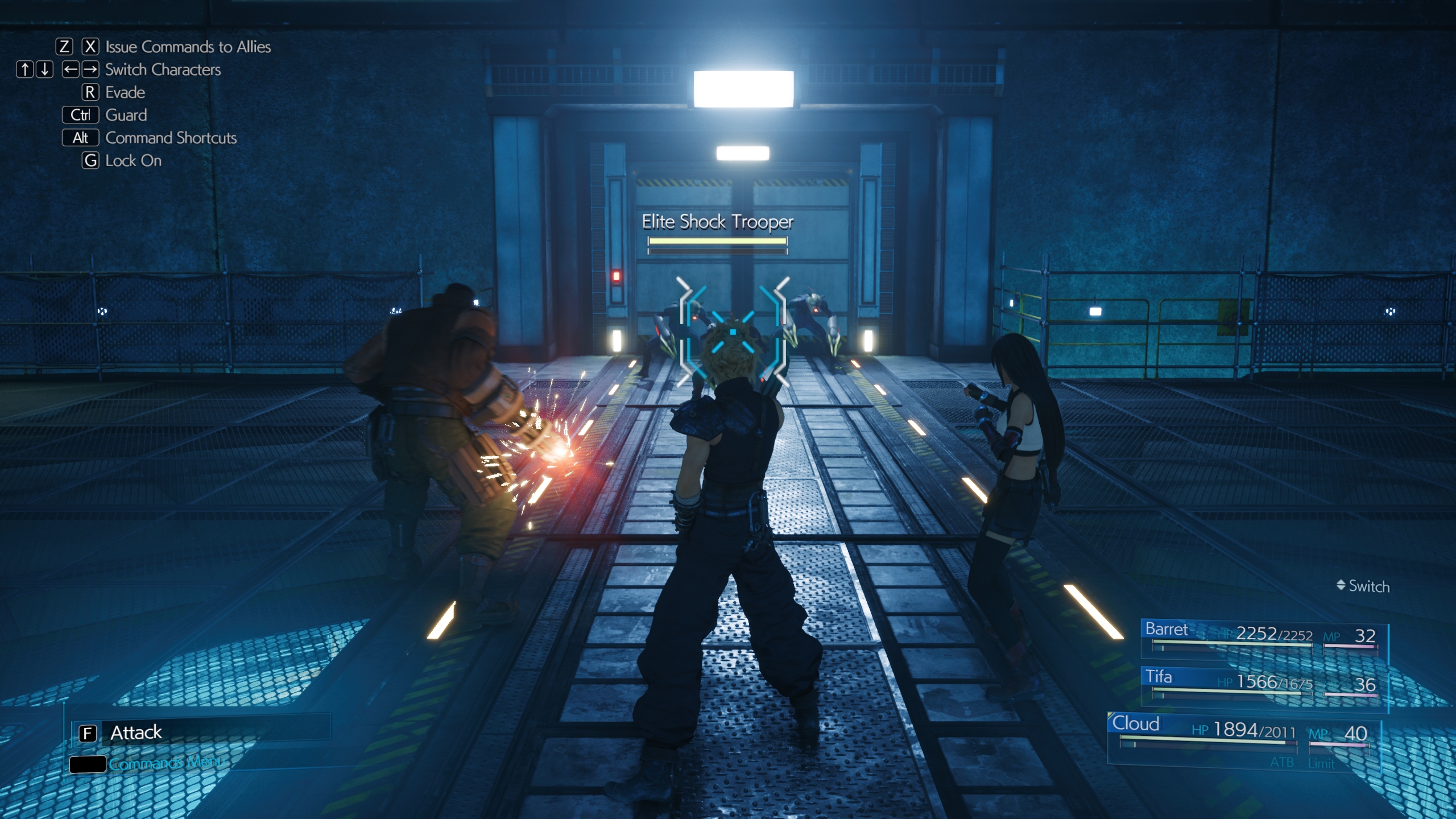
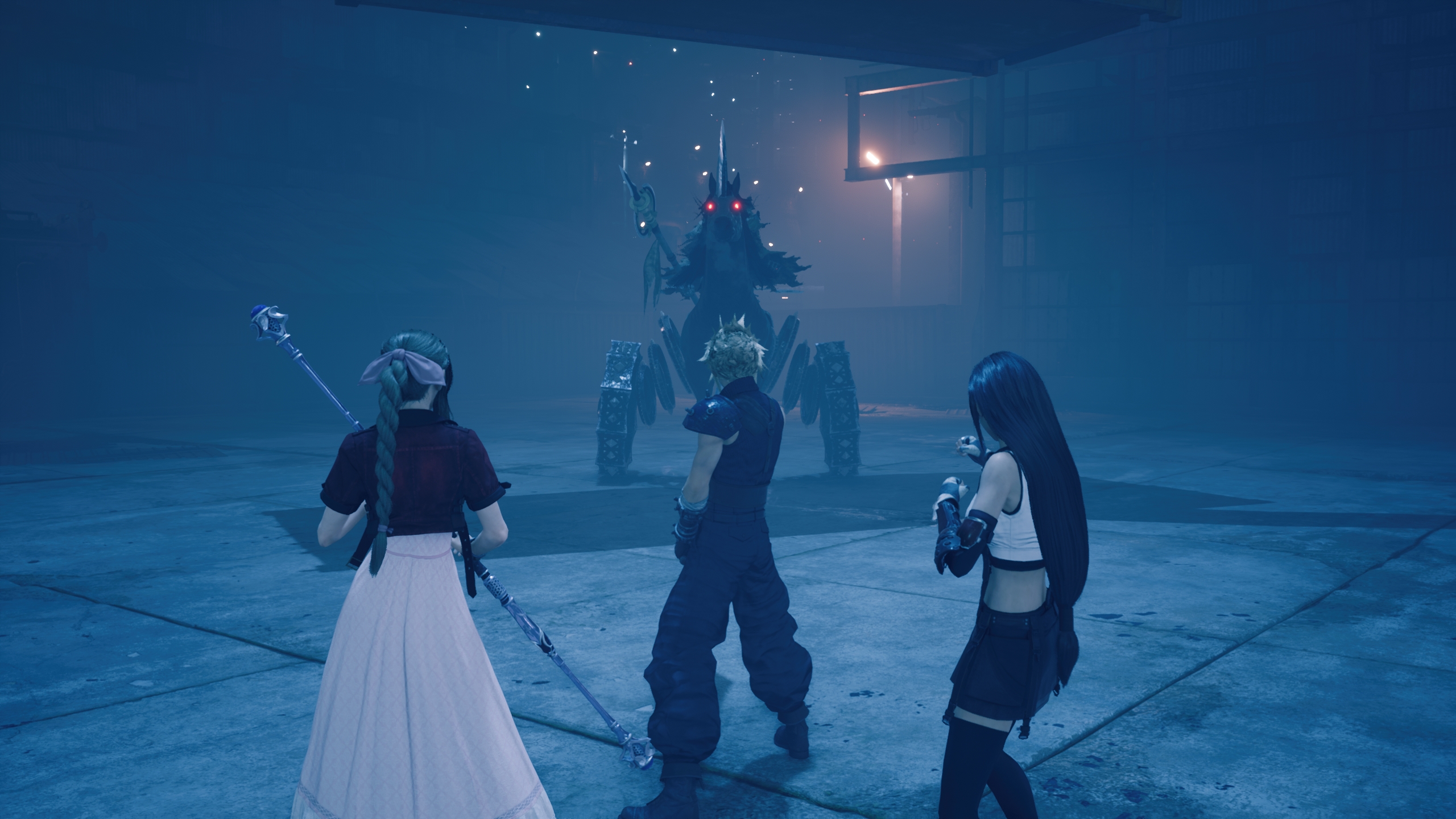
While it's possible to hack your way through numerous fights, sooner or later you'rhenium going to need to actually figure out how to get the most out of your crew. You tooshie switch between controlling them directly, or command them to function abilities when their ATB stop fills while sticking with your best-loved.
This might be the good combat system Final Phantasy has ever had.
Apiece party member has a alone attack. For Cloud, that's the 'Punisher Stance', where blocks get on car-parries at the price of mobility and ranged defence. Barret's is a charged shot that can be fired between longer bursts from his accelerator pedal-arm. Keep off up pressure on enemies, operating theatre hit them with attacks they're weak to, and they'll stagger, overcharging your damage (all the way up to 200%).
Often you'll need to take between going on the attack to stagger an enemy Oregon taking the opportunity to heal. Harder fights comparable chief battles in truth lean into this dilemma, particularly on Hard Mode where illusion is a good deal more limited and items are outright taboo. Not unlocked until you've familiar the crippled erstwhile (and balanced for new game plus), information technology's a pregnant unscheduled challenge that in truth shows how tactical the scrap system toilet beryllium.
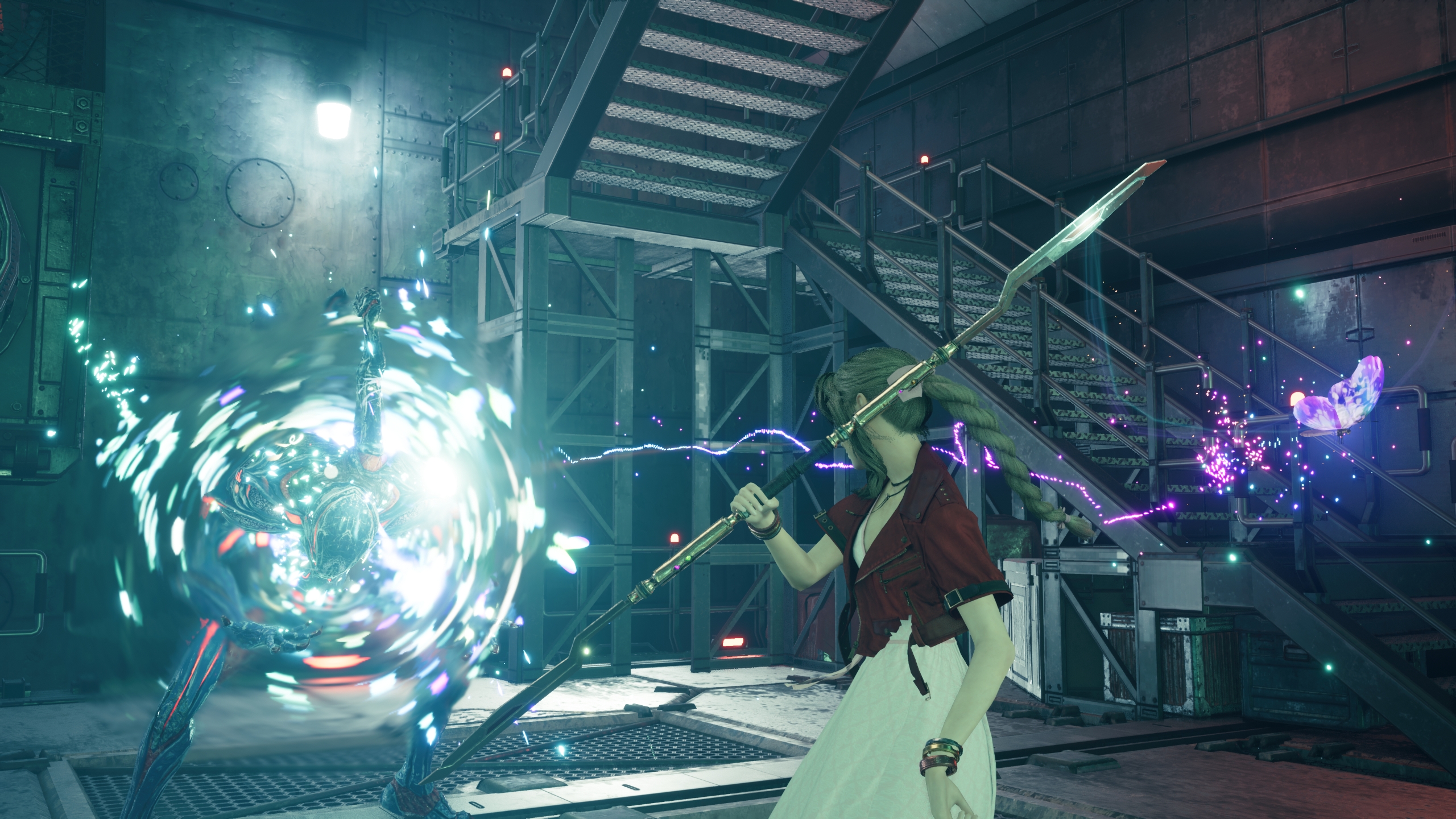
This might live the best combat system Final Fantasy has ever had. Information technology takes the real-time approach of Terminal Illusion 15, and mixes it with more strategic, standard-feeling elements. Fights are fast, but you take in time to breathe if you pauperism it. It's sort of like if Realm Hearts 3 didn't bring i me want to howler every 10 seconds.
Abilities can be expanded by determination new weapons and maxing out proficiency with them, allowing that weapon's unique power to comprise applied to all of your armoury. Pass enough time with your iron leaf blade, for example, and its Triple Slash attack can beryllium used with some weapon. Characters improve by improving their gearing, all level-astir giving an equal numeral of skill points to all your weapons. It's a smashing elbow room of bucking RPG equipment tycoo creep, as rather than weapons being usurped by puissant variants, they stay relevant with several uses. Determination spells more useful than melee? Equip one that buffs your magic flak.
Materia are where you can get really creative. These polished orbs slot into your weapons, applying a variety of personal effects: elemental thaumaturgy, parries, stat buffs, abilities, and powerful creature summons. As materia gain experience, they unlock permanent upgrades that apply even if you move them from one character to another (the classic 'fire' spell becoming the higher-damage 'fira', for example). Just about materia even drama together, granting your basic attacks an elemental effect when related to a link slot next to elemental magic, or the same with resistances.
You prat really play with some interesting builds to get the most out of your team, so much as away combining Barrier magic with Steadfast Block to sop up large damage and immediately turn it into ATB so you can spit attacks support out. You'll e'er have way more materia than your party give notice use, lease you be creative in how you reply to threats. Thanks to generous checkpointing allowing you to Re-specification ahead retrying fights, you have space to experiment.
Unsettling scenery
Cloud is perpetually request where his money is. I happen myself request where the Microcomputer-specific options are. Final Fantasy 15: Windows Version was a surprisingly detailed port, filled with options to tweak and enhancements not imaginable connected its original console hardware. Here, you entirely have the option to take 'tween high and low shadows and texture quality, which just seems to act anything, and there's an fps pileus that maxes out at 120. Stuttering has been reported happening triple hardware configs, and dynamic resolution scaling can't live disabled.
You'll struggle on mouse and keyboard, unless you get used to a default control system that sometimes expects you to hoodwink WASD, IJKL, pointer keys, and a mouse all at at one time. You bum't select carte options with the shiner, though you can ringlet with the mouse wheel (fun for selecting attacks, simply hardly worth it for the hassle of not using a controller in scrap clearly designed for extraordinary). Moving the map with WASD is ungainly, and sections with bespoke controls like a motorbike sequence and darts minigame are importantly harder with a keyboard than a controller. Some keyboard prompts prominently feature PlayStation button artwork. Press escape totally you want, the crosscut to bring rising the menu is M. The map? That's N, course.
Quiet, Final Fantasy 7 Remake feels great with a comptroller in hand. It ping-pongs between the mechanical judgment massage of combat, and exploring an developed phantasy world and fascinating story. Newcomers get a rich world to delve into first, while as an familiar fan, I base it impossible to resist the urge to discover what was added and what was changed. The extra dimensions to the narrative and visual innovation leave me—for the first time in a long time—excited nearly the future of mainline Final Fantasy, and the action game fan in me keeps me coming back for the combat, something I rarely tone in any RPG.
Final Fantasy 7 Remake Intergrade
A terrific return to form for singleplayer Final Fantasy that makes the series' future tickling, in a barebones (though functional) Microcomputer computer software.

Source: https://www.pcgamer.com/final-fantasy-7-remake-pc/
Posted by: rheathaniorefore.blogspot.com
0 Response to "Final Fantasy 7 Remake PC review | PC Gamer - rheathaniorefore"
Post a Comment